Shishapangma Expedition 8013m

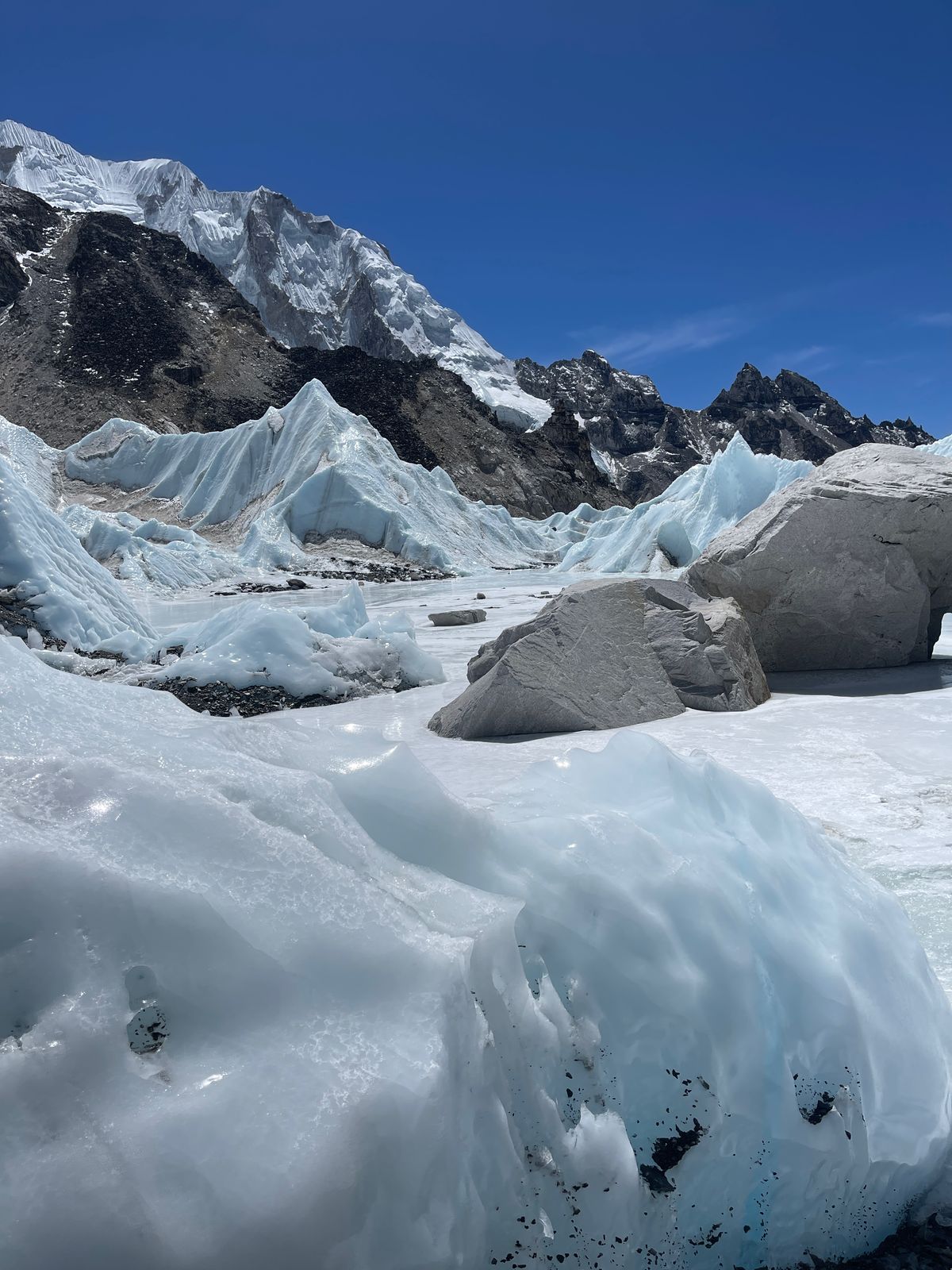
Shishapangma is known for its beauty and holds special significance as a holy mountain for Tibetans. Before China opened Tibet to western mountaineers in 1978, very few people were aware of Shishapangma.

Being the youngest among the peaks above 8000m, it stands among the fourteen mountains in the high Himalayan ranges that surpass this height. Over time, numerous climbers have successfully reached its summit.

The standard route you mentioned is the North West normal route, which involves ascending relatively easy angled snow slopes, typically ranging up to 35 degrees with one steeper section.

Fixed lines are usually installed on steeper or crevassed sections of the route for safety.

The Shishapangma expedition plan involves acclimatization in Zhangmu and Nyalam, which are important steps in adjusting to the altitude before proceeding further.

Once adequately acclimatized, the team arrives at the base camp located at 5000m. Here, final preparations and acclimatization walks are conducted.

For the logistics of the expedition, yaks are used to transport the expedition gear from the base camp to the Advanced Base Camp (ABC) situated at an altitude of 6,300m.

This process is crucial in ensuring that the necessary equipment is available at higher altitudes where the climbing becomes more challenging.

Shishapangma, with its stunning beauty and cultural significance, offers climbers the opportunity to engage in a challenging and rewarding mountaineering experience.

The combination of natural grandeur and spiritual reverence makes it an alluring destination for those seeking to conquer its heights.

Trip Facts

Country: Nepal & Tibet (China)
Duration: 36 Days
Minimum Altitude: 1,300 m / 4,265 ft (Kathmandu)
Maximum Altitude: 8,013 m / 26,289 ft (Summit of Mount Shishapangma)
Walking Per Day: Approximately 4–7 hours (depending on altitude and terrain)
Nature: Overland Expedition, High-Altitude Mountaineering & Camping
Grade: Extremely Challenging / Expedition Level
Best Season: April–May (Spring) and September–October (Autumn)
Itinerary

Day 1

Arrival in Kathmandu
Arrive at Tribhuvan International Airport in Kathmandu and transfer to your hotel. The day is reserved for rest after travel, with optional sightseeing in the culturally rich cities of Kathmandu, Lalitpur, and Bhaktapur.

Day 2 - 5

Tibet Visa Preparation (Kathmandu)
These days are dedicated to processing the Tibet visa and completing expedition preparations. Equipment checks, team briefings, and final logistical arrangements are carried out while staying in Kathmandu.

Day 6

Drive from Kathmandu to Timure
The expedition officially begins with an early morning drive from Kathmandu to Timure near the Nepal–Tibet border. Overnight stay in Timure.

Day 7

Drive to Kerung (Tibet)
After completing border formalities, drive to Kerung, currently the most reliable road access point into Tibet. Overnight stay at a hotel.

Day 8

Drive from Kerung to Tingri (4,300 m)
Continue driving across the Tibetan plateau to Old Tingri, gaining significant altitude. Overnight stay at a hotel with expansive views of the Himalayan range.

Day 9

Acclimatization & Preparation Day in Tingri
A full day for acclimatization and preparation. Short walks and light sightseeing help the body adjust to altitude before moving higher.

Day 10

Drive to Shishapangma Chinese Base Camp (4,980 m)
Drive via the Lalung La Pass (4,990 m) and Dopzang La (5,150 m), leaving the main road to reach the Chinese Base Camp of Shishapangma. Camp is established beneath the mountain.

Day 11

Rest & Acclimatization at Chinese Base Camp
A full rest day at Base Camp allows further acclimatization. Short hikes to surrounding ridges and peaks help prepare for the move to Advanced Base Camp.

Day 12

Trek to Advanced Base Camp (ABC)
A long and demanding trek with yaks carrying loads takes you toward Advanced Base Camp, with a stop at an Intermediate Camp along the way.

Day 13 - 30

Ascent of Shishapangma (8,013 m)
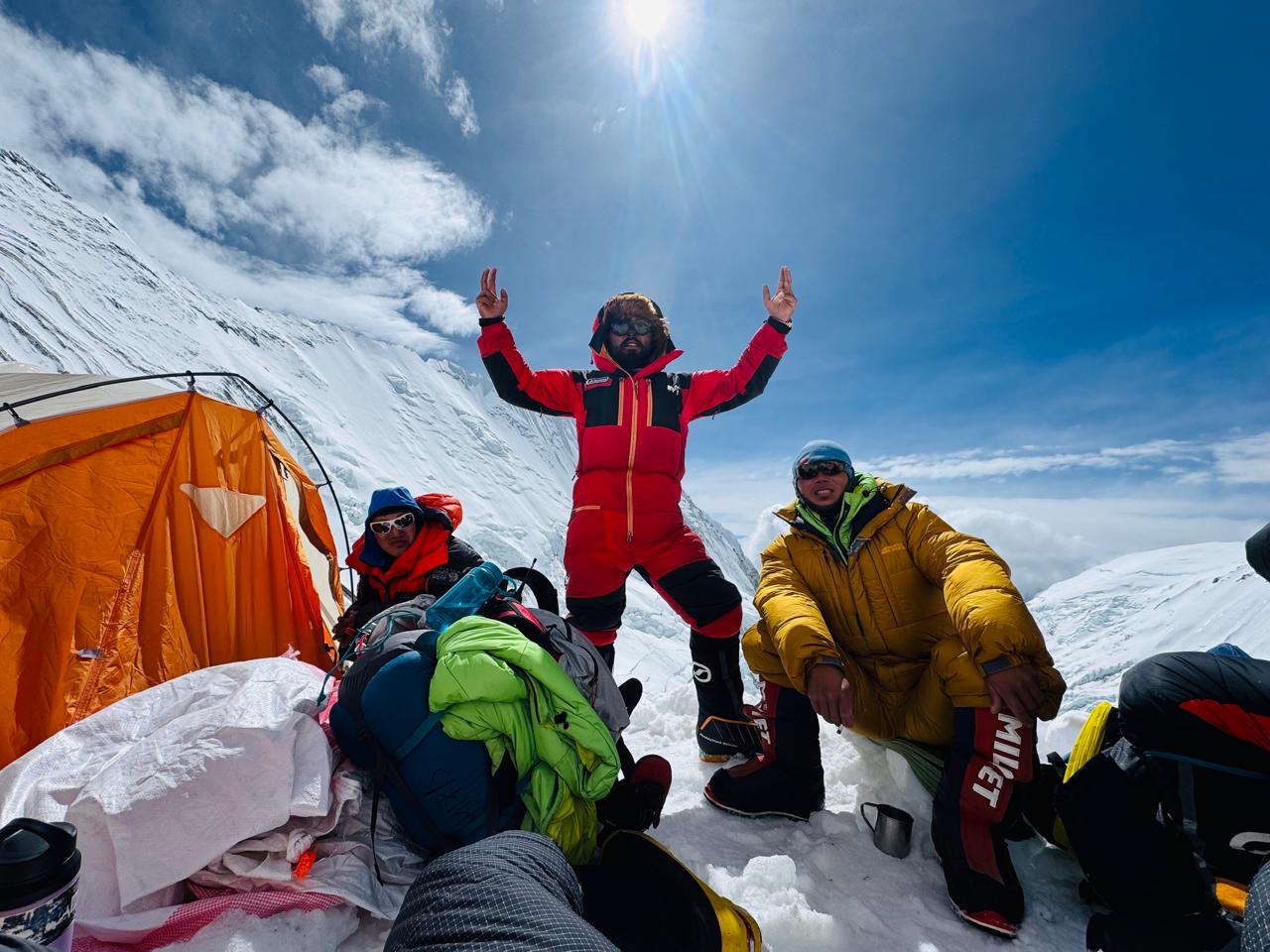
This period is dedicated to establishing Advanced Base Camp and higher camps. Equipment is cached at the depot camp (5,900 m), followed by Camp I (6,200 m) across the Jebokangjale Glacier and moraine valleys.
The route ascends a steep slope to Camp II at approximately 6,900 m, then continues to the ski depot at 7,100 m before climbing a steep flank to Camp III at 7,350 m on the connecting ridge.
Depending on conditions, climbers attempt either the Central Peak or the Main Summit. The final ascent involves steep mixed terrain requiring full concentration. From the summit, climbers are rewarded with panoramic views of Everest, Makalu, Cho Oyu, and Lhotse. Descent follows the same route.

Day 31

Descent to Chinese Base Camp
After completing the summit phase, descend back to the Chinese Base Camp for rest and recovery.

Day 32

Drive to Tingri
Return by vehicle to Tingri and enjoy a well-earned rest day at the hotel.

Day 33

Drive from Tingri to Kerung
An early morning drive brings you back to Kerung. Overnight stay at a hotel.

Day 34

Drive from Kerung to Kathmandu
Cross the border and drive back to Kathmandu, returning to the comforts of the city.

Day 35

Rest Day in Kathmandu
A leisure day to relax, explore the city, shop for souvenirs, or enjoy cultural sightseeing.

Day 36

Final Departure
Transfer to Tribhuvan International Airport for your onward journey, marking the conclusion of the Shishapangma Expedition.

INCLUDES

  • Airport-Hotel-Airport transport
  • Half day sightseeing in Kathmandu
  • 4 nights hotel accommodation in Kathmandu on BB basis
  • Domestic flights
  • Excess baggage charges
  • Climbing permit fees
  • Porters and Yaks for loads to & from Basecamp
  • Equipment allowance and insurance for Liaison officer
  • Personal climbing Sherpa with wages/equipment allowance/ insurance/high-camp load ferry bonus
  • Cook and cook boys with equipment allowance, wages and insurance
  • Basecamp tents and mattresses
  • Dining, Kitchen and Shower tents and other camping equipment
  • Fresh and organic food and beverages at Base Camp and high altitude food (individual packets)
  • EPI gases with burners for high camps
  • Walkie-talkie and permit fee
  • Satellite phone for the emergency purpose (Subject to charges)
  • Solar panel/Generator with accessories at base camp for power
  • Necessary climbing gear (excludes personal gear)
  • Oxygen cylinders with masks and regulators
  • Insurance of local team members
  • Rope fixing fee
  • Ice fall fee
  • Accommodation and meals at tea houses to and from base camp

EXCLUDES

  • Travel insurance (Should cover medical and high-altitude evacuation costs)
  • International air tickets
  • Nepal entry visa and Visa fee
  • Lunch & dinner in Kathmandu
  • Personal climbing equipment
  • Cost of emergency evacuation
  • Personal expenses
  • Summit bonus for climbing sherpa ($1500 min)
  • Tips (for basecamp and high camp staff)